
The Serengeti never sleeps. Every month, the vast plains of Tanzania tell a different story — of life, survival, and endless migration.
Knowing when to visit Serengeti National Park is the key to unlocking the experience that fits your travel dream.
Whether you crave dramatic river crossings, newborn wildlife, or quiet golden sunsets, the Serengeti has a perfect season for you.
The Serengeti’s rhythm follows Africa’s great natural calendar.
Rather than the typical four seasons, it has two main weather patterns — the dry season and the green (wet) season — each shaping the landscape and wildlife behavior in unique ways.
Dry Season (June – October): Clear skies, golden grasslands, and wildlife clustered around water sources.
Green Season (November – May): Lush vegetation, new life, and fewer crowds — perfect for photographers and bird lovers.
Perhaps the biggest reason travelers plan their visit carefully is to witness The Great Migration — a breathtaking, year-round movement of over 1.5 million wildebeests and hundreds of thousands of zebras and gazelles.
Here’s where the migration usually moves through the Serengeti ecosystem:
| Months | Migration Location | Highlights |
|---|---|---|
| December – March | Southern Serengeti (Ndutu area) | Calving season – thousands of newborns and big cat action. |
| April – June | Central & Western Serengeti | Long treks north; dramatic Grumeti River crossings begin. |
| July – October | Northern Serengeti & Mara River | Iconic river crossings — crocodile encounters, high drama. |
| November | Eastern Serengeti | Herds return south; peaceful and green landscapes. |
Pro Tip: For photographers, February and August offer the best lighting conditions for golden-hour wildlife shots.
The southern plains come alive with newborn wildebeests.
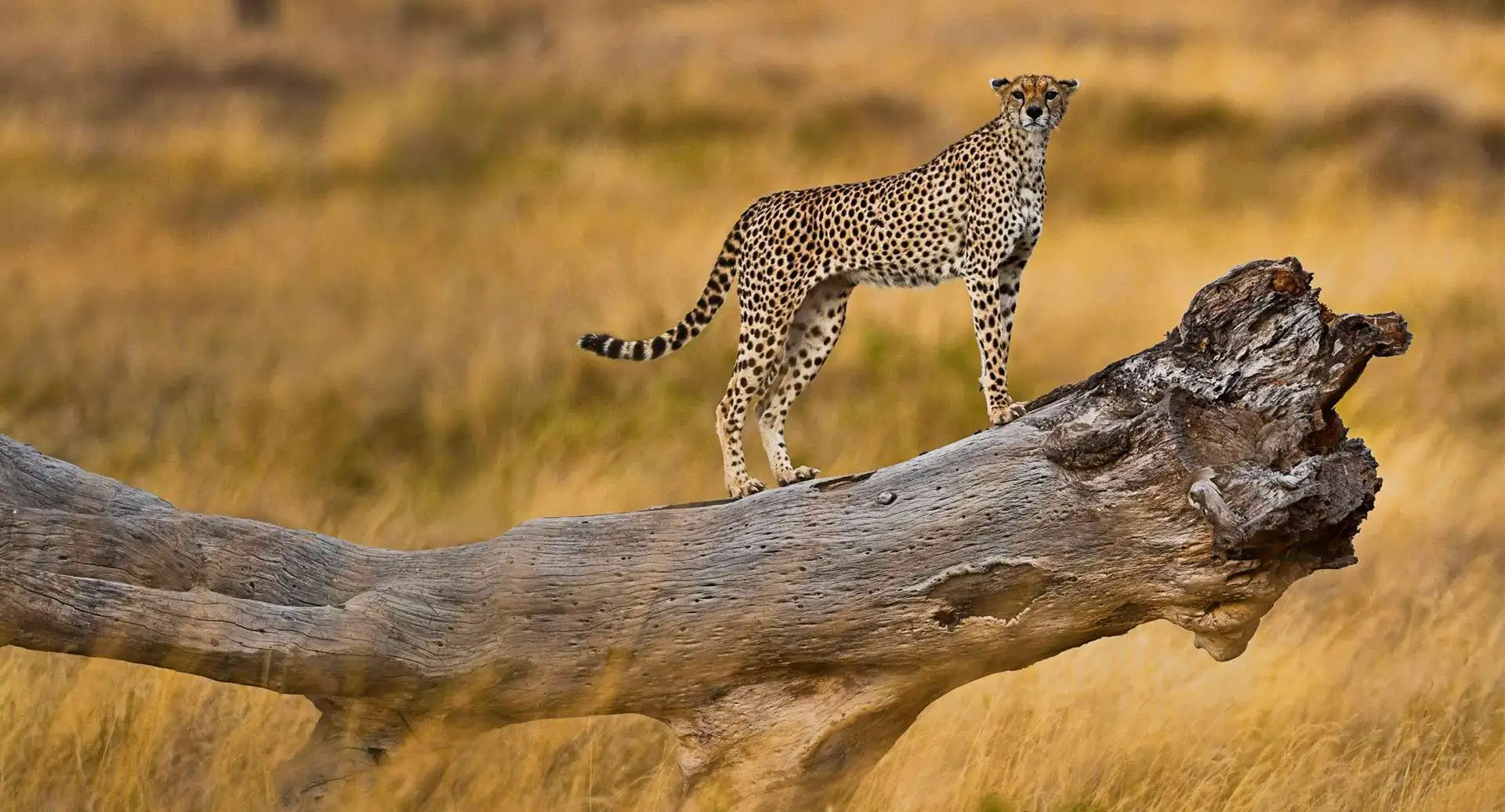
Predators like lions and cheetahs thrive a perfect time for witnessing nature’s raw circle of life.
The landscape turns emerald green. Rain showers refresh the plains, and the crowds fade.
This is a great time for budget-friendly safaris and birdwatching, though some lodges may close for the rains.
Herds start their northward journey, filling the Serengeti with dust clouds and motion.
Game drives are spectacular, and the Grumeti River crossings begin.
The northern Serengeti becomes the stage for dramatic Mara River crossings.
Expect high wildlife density, clear skies, and perfect travel conditions.
This is the busiest season, so booking early is essential.
Short rains revive the plains. Migrating herds move south again.
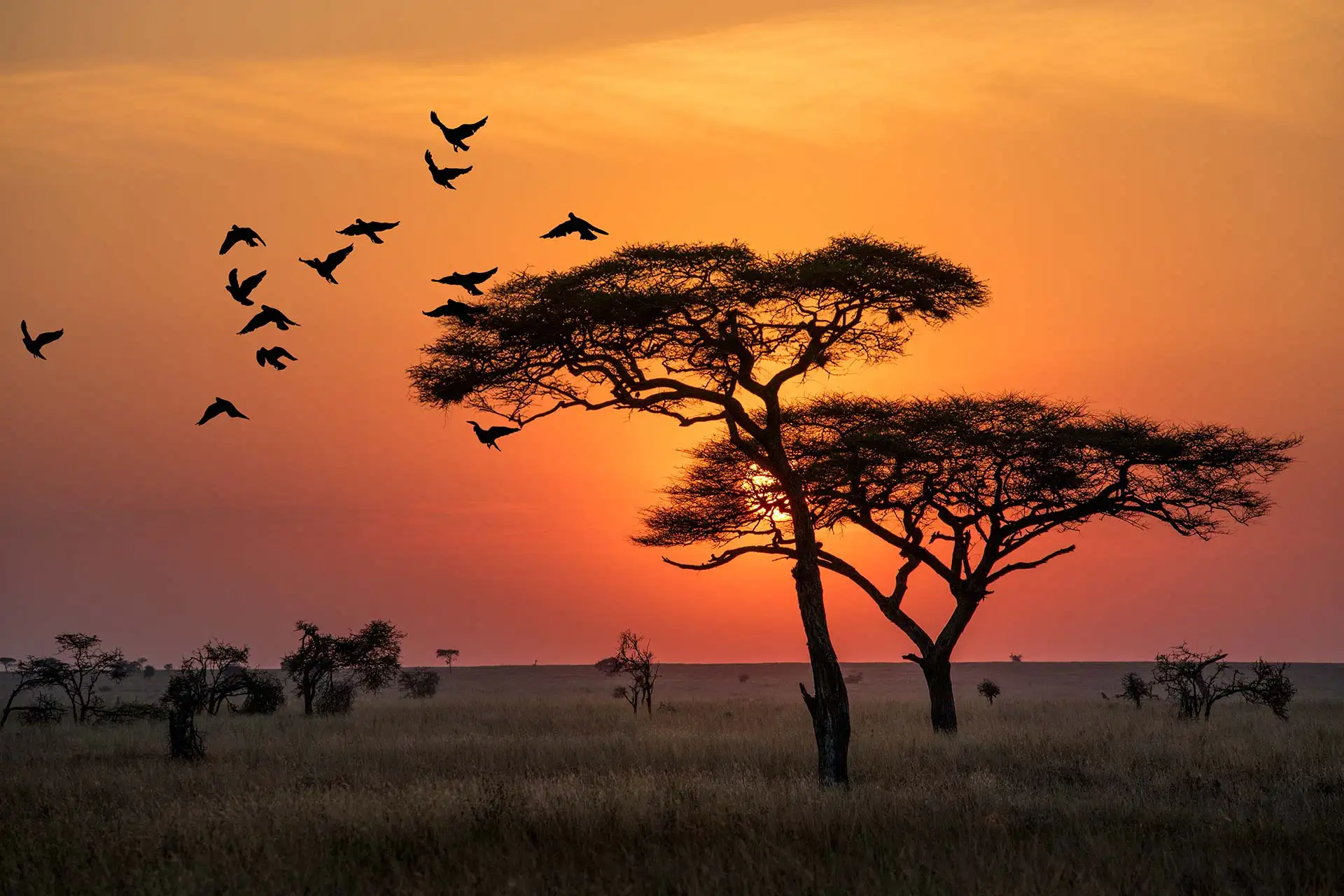
This period is less crowded, filled with vivid colors and beautiful sunsets.
For Action Seekers: Visit June–October for intense wildlife drama.
For Birdwatchers: November–April is peak birding season.
For Photographers: February and August deliver perfect light and landscapes.
For Peace & Privacy: April–May offers solitude and great rates.
No matter when you come, the Serengeti always gives you a piece of Africa’s soul.
European travelers can reach the Serengeti easily via Kilimanjaro International Airport (JRO), with quick connections to Seronera, Ndutu, or Kogatende airstrips.
Most safari itineraries combine the Serengeti with Ngorongoro Crater or Tarangire National Park, creating a perfect Tanzanian adventure circuit.
Traveling during off-peak seasons supports local communities year-round and helps reduce environmental impact making your safari both sustainable and meaningful.
Ready to Plan Your Serengeti Adventure?
Discover the perfect time for your safari tailored to your interests, budget, and style.
Talk to a Safari Expert →
What is the best time to visit Serengeti National Park?
The best time to visit is June to October — the dry season, when animals gather in large numbers and the Great Migration crosses the northern plains.
When is the Great Migration in Serengeti?
The migration is continuous, but the river crossings occur from July to September, while calving happens from January to March in the south.
Is the rainy season a good time to visit Serengeti?
Absolutely. The green season offers lush landscapes, baby animals, and fewer tourists — a favorite for photographers and repeat safari-goers.
What is the Serengeti weather like year-round?
Expect comfortable temperatures between 15–25°C. The dry season runs June–October, with short rains in November–December and long rains from March–May.