
Zanzibar is a tropical paradise and one of East Africa’s most sought-after island destinations. Its appeal lies in a unique combination of pristine beaches, rich cultural heritage, and vibrant marine ecosystems. Covering approximately 2,461 square kilometers, Zanzibar comprises the main island Unguja, smaller islands, and surrounding coral reefs, offering a diverse range of experiences for travelers.
Visitors are drawn to:
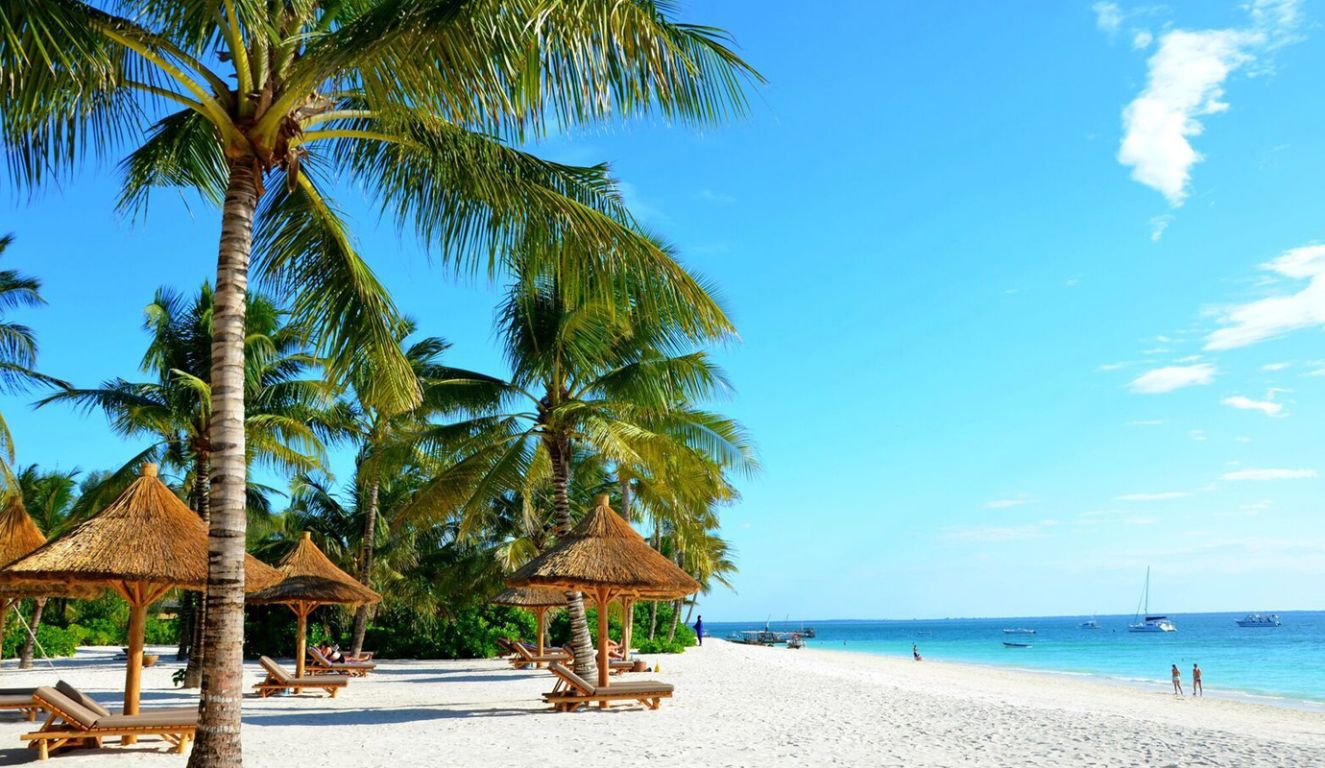
White Sand Beaches & Turquoise Waters: The east and north coasts feature powdery sands and calm, clear waters ideal for swimming, snorkeling, and relaxation.
Cultural Heritage: Stone Town, a UNESCO World Heritage Site, showcases centuries of Swahili culture, Arab and European architecture, and historic spice trade influence.
Spice Plantations: Zanzibar has been historically renowned as the “Spice Island,” with tours offering insight into cloves, nutmeg, cinnamon, and vanilla cultivation.
Diving and Snorkeling: Coral reefs support vibrant marine life, including tropical fish, turtles, and occasional dolphins.
Ecotourism & Wildlife: Beyond beaches, the island features Jozani Forest, home to the endemic Red Colobus monkeys, and birdwatching opportunities in mangroves and wetlands.
Zanzibar is ideal for travelers seeking a mix of relaxation, cultural immersion, and adventure, from honeymooners and family travelers to wildlife enthusiasts and divers.
Zanzibar’s tropical climate features warm temperatures year-round, with distinct dry and wet seasons affecting travel conditions and experiences.
Weather: Cooler and sunny, with low humidity.
Activities: Ideal for beach activities, sailing, diving, snorkeling, and exploring Stone Town.
Wildlife & Nature: Best time to visit Jozani Forest and coastal mangroves; water visibility for diving and snorkeling is optimal.
Tourist Traffic: Peak season; book accommodations in advance.
Weather: Intermittent showers, higher humidity, occasional storms.
Tourist Traffic: Moderate; fewer crowds.
Highlights: Lush vegetation and blooming spice plantations.
Weather: Heavier and consistent rainfall; some activities may be disrupted.
Advantages: Fewer tourists, off-season rates, excellent time for photographers capturing greenery and cultural landscapes.
Recommendation: For most travelers seeking beaches and island adventures, June–October is the preferred period. For cultural exploration and budget-conscious travelers, November–December offers fewer crowds while still maintaining good conditions.
Zanzibar is accessible via:
Flights: Direct international flights from Europe and regional connections via Dar es Salaam.
Ferries: Passenger ferries connect Dar es Salaam to Zanzibar (approximately 2 hours).
Local Transport: Taxis, hired cars, and scooters are available; use reputable operators for safety.
Stone Town Tours: Historical walking tours, visits to markets, and cultural immersion experiences.
Spice Plantation Tours: Guided tours reveal cultivation, harvesting, and uses of spices unique to Zanzibar.
Beach & Water Activities: Snorkeling, diving, dhow sailing, and kite surfing are popular.
Ecotourism: Visits to Jozani Forest, mangroves, and marine conservation sites.
Health: Vaccinations recommended; carry mosquito repellent due to malaria risk in some areas.
Currency: Tanzanian Shilling; US dollars widely accepted.
Cultural Sensitivity: Zanzibar is predominantly Muslim; dress modestly in towns and villages.
Connectivity: Mobile networks are good in Stone Town and main beaches; remote areas may have limited coverage.
Zanzibar is suitable for solo travelers, couples, and families, with itineraries tailored from relaxation to adventure.
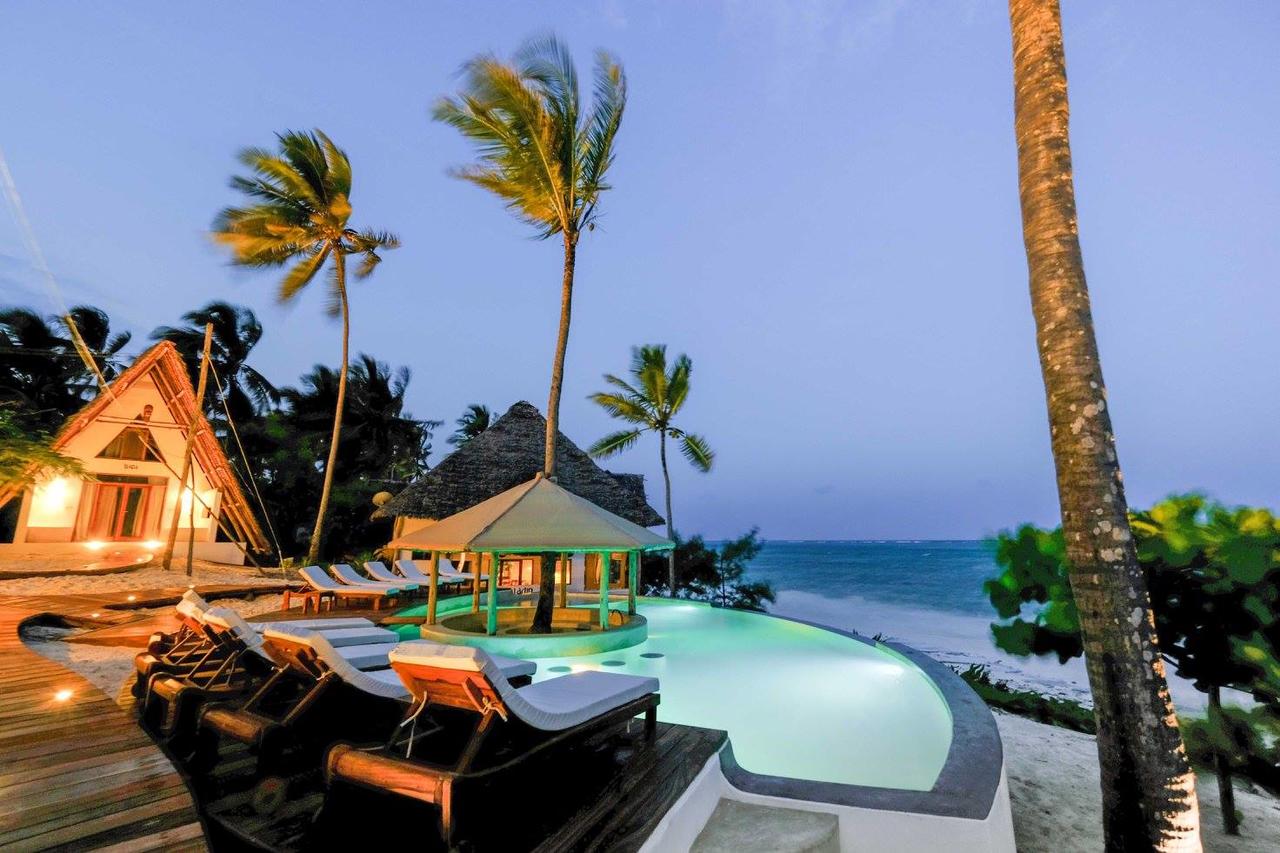
Accommodation ranges from luxury resorts to boutique hotels and budget-friendly guesthouses, primarily concentrated on the north and east coasts, with options in Stone Town and southern beaches.
Provide private beach access, infinity pools, spa services, and fine dining.
Often located in Nungwi, Kendwa, and Matemwe areas.
Located in Stone Town and adjacent beach areas.
Offer personalized experiences, cultural tours, and guided activities.
Hostels, guesthouses, and small beach lodges.
Ideal for backpackers or travelers seeking local experiences.
Booking Advice: Peak season (June–October) requires advance reservations. Travel during off-peak periods allows flexibility and often lower rates.
North Coast: Calm beaches, luxury resorts, nightlife, diving spots.
East Coast: Pristine beaches, peaceful atmosphere, excellent snorkeling.
Stone Town: Cultural hub, historic architecture, urban experiences.
South Coast: Less developed, quieter beaches, authentic local life.