
Katavi National Park is widely regarded as Tanzania’s most remote and untouched national park. Unlike the heavily visited northern parks, Katavi offers a true wilderness experience, where large herds of wildlife roam with minimal human interference. Covering roughly 4,471 square kilometers, it is the third-largest park in Tanzania, with ecosystems ranging from seasonal floodplains to miombo woodlands, interspersed with rivers and wetlands.
Wildlife is the central attraction:
Buffalo Herds: Some of Africa’s largest concentrations, often numbering over a thousand in a single herd.
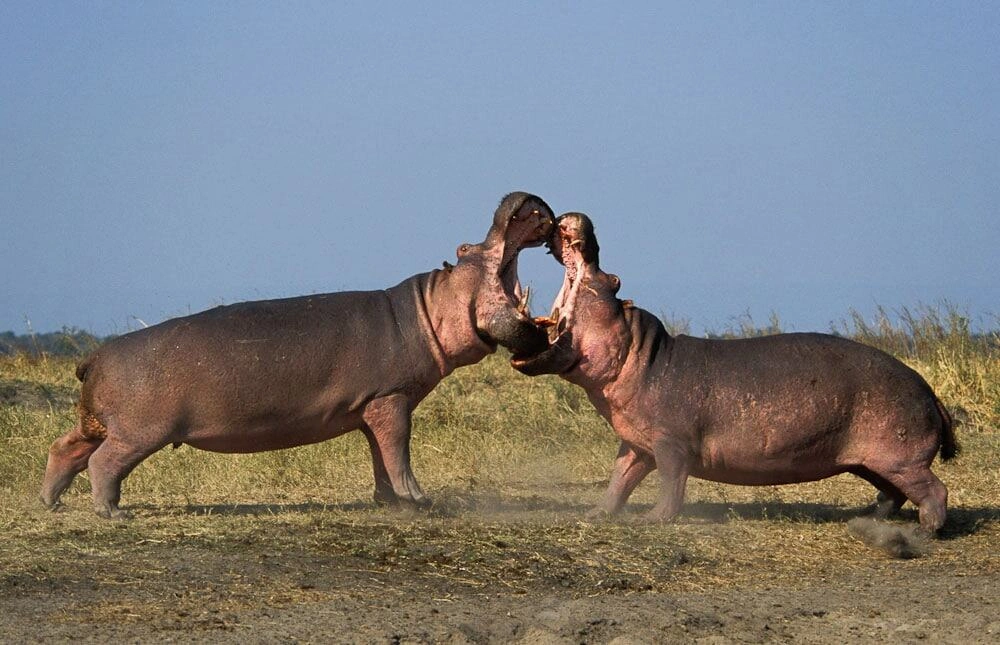
Hippos and Crocodiles: Katuma River pools host hundreds of hippos and dense crocodile populations, particularly in the dry season.
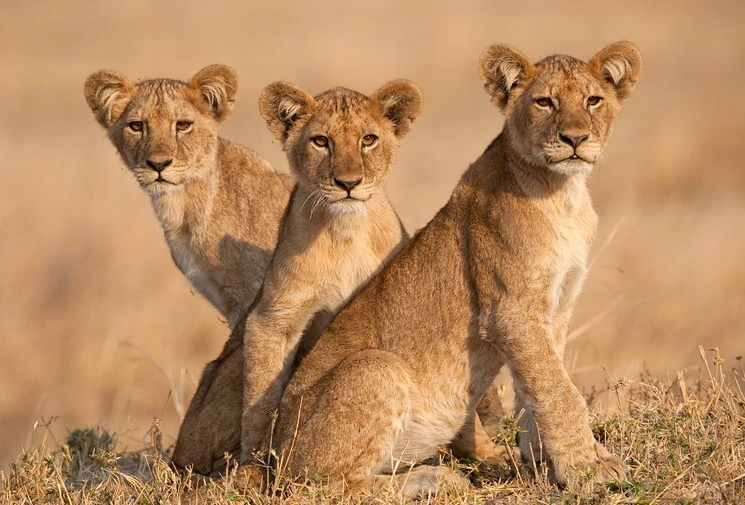
Predators: Lions, leopards, and spotted hyenas take advantage of the dense prey populations along the floodplains.
Birdlife is also diverse, with waterfowl, raptors, and migratory species abundant in seasonal wetlands.
Katavi appeals to travelers seeking:
Uninterrupted wildlife observation
Low tourist density and off-the-beaten-path adventure
A safari experience that is closer to natural ecosystems
The park’s remote location and limited infrastructure make it ideal for serious wildlife enthusiasts, researchers, and repeat safari travelers. It also plays a critical role in conservation, protecting western Tanzania’s floodplain and woodland ecosystems.
The timing of your visit significantly influences wildlife visibility and overall safari experience. Katavi experiences two primary seasons:
Wildlife Concentration: Animals gather near permanent water sources, making sightings predictable.
Game Drives: Reduced vegetation cover allows clear visibility across the floodplains.
Weather Conditions: Dry, sunny days ideal for photography.
Key Wildlife Behavior: Hippo pools are at their busiest; predators can be observed hunting along river edges.
Landscape: Floodplains expand, and miombo woodlands flourish, creating vivid scenery.
Wildlife Dispersion: Animals spread across the park, making sightings less predictable.
Birdlife: Migratory species peak, including waterfowl and flamingos in seasonal lakes.
Tourist Traffic: Very low, ideal for those prioritizing solitude and ecological immersion.
Recommendation: For first-time visitors prioritizing reliable wildlife sightings, the dry season is optimal. Birdwatchers and photographers seeking lush scenery may prefer the wet season despite fewer predator sightings.
Katavi’s remoteness is a defining feature. Visitors should plan carefully:
By Air: Most travelers fly from Arusha or Dar es Salaam to nearby airstrips such as Katavi Airstrip. Charter flights are common, especially in peak season.
By Road: Long 4×4 overland journeys are possible but require careful preparation, including fuel, supplies, and experienced drivers. Roads are often rough, especially during the wet season.
Duration: A minimum of 2–3 full days is recommended to explore multiple floodplains and river systems.
Guides: Experienced local guides enhance wildlife spotting and ensure safety.
Equipment: Bring telephoto lenses for photography, binoculars for birdwatching, and protective gear for sun and insects.
Safety: Remote environment; carry sufficient water, first aid, and ensure communication means are functional.
Hippo Pool Observation: Dry-season congregations provide opportunities to witness mass displays of social and aggressive behaviors.
Predator-Prey Dynamics: The park offers one of Africa’s most intense predator-prey spectacles due to concentrated herbivore populations.
Birdwatching: Seasonal wetlands host rare migratory and waterfowl species.
Katavi is best suited for travelers seeking authentic safari experiences rather than luxury or short, guided tours.
Accommodation in Katavi is limited but functional, reflecting the park’s remote character:
Seasonal Tented Camps: Provide immersive wilderness experience with basic amenities.
Small Safari Lodges: Offer guided game drives and proximity to key wildlife areas.
Mpanda Town: Serves as a gateway for overland travelers; limited lodges available.
Airstrip-Linked Camps: Ideal for fly-in safaris focusing on efficiency and direct access.
Booking Advice: Advance reservations are essential, particularly during the dry season, when wildlife concentration attracts the majority of visitors.
Accommodation selection should reflect travel goals:
Inside the park: Early morning game drives, full immersion
Nearby airstrips: Logistical convenience, shorter stay duration