
The Ngorongoro Crater is one of Africa’s most extraordinary safari destinations — a vast volcanic caldera formed over two million years ago and now home to one of the highest concentrations of wildlife on the continent.
Often described as Africa’s “Garden of Eden,” the crater spans approximately 260 square kilometers and is enclosed by dramatic 600-meter-high walls. This natural enclosure creates a self-contained ecosystem where wildlife viewing is consistent, intense, and remarkably rewarding.
Unlike vast open parks where animals migrate seasonally, many species here are largely resident year-round — making Ngorongoro one of the most reliable safari experiences in Tanzania.
Ngorongoro stands out for several powerful reasons:
Located between Serengeti National Park and Lake Manyara National Park, Ngorongoro is a strategic and natural stop on Tanzania’s Northern Safari Circuit.
For first-time safari travelers, it offers reliability.
For experienced explorers, it offers intensity and drama.
It is not just a safari stop — it is often the emotional highlight of a Tanzania journey.
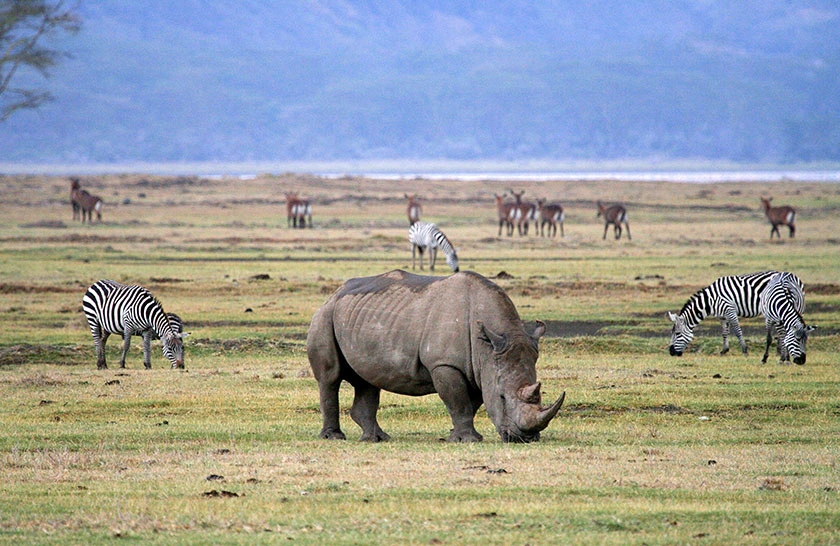
The Ngorongoro Crater is a year-round safari destination thanks to its enclosed ecosystem and resident wildlife population. However, seasonal differences affect scenery, crowd levels, and overall experience.
This is the most popular time to visit.
Wildlife gathers around permanent water sources
Grass is shorter, making animal sightings easier
Roads are dry and easier to navigate
Cooler mornings and evenings
Best for:
This period overlaps with peak safari season across Tanzania, including nearby Serengeti National Park, so accommodation rates are higher and advance booking is essential.
Often overlooked, but incredibly rewarding.
Lush green landscapes
Dramatic skies and fewer vehicles
Excellent photography conditions
Lower accommodation rates (especially March–May)
April and May experience heavier rains, but Ngorongoro remains accessible year-round due to well-maintained crater roads.
Best for:
If your itinerary includes the Great Migration in Serengeti National Park, timing Ngorongoro alongside Serengeti movements creates a seamless Northern Circuit experience.
If Ngorongoro is your primary focus, any month of the year delivers strong wildlife viewing.
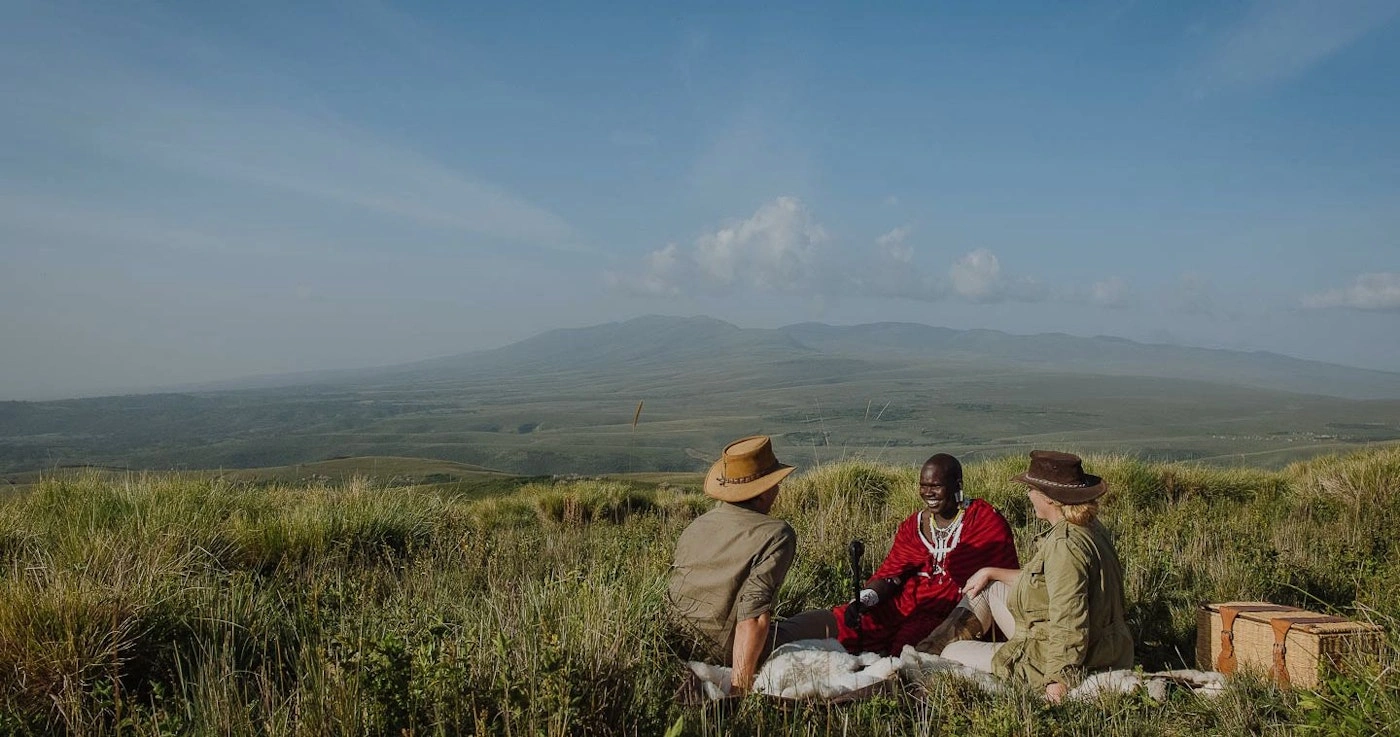
Visiting the Ngorongoro Crater is different from visiting open savannah parks. Because it is a contained ecosystem with regulated access, strategy matters.
Here’s how to maximize your experience:
Crater descent is most rewarding between 6:00 AM – 9:30 AM.
Predators are still active
Light is softer for photography
Fewer vehicles inside the crater
Better chances of spotting black rhino
Most lodges near the rim prepare early breakfast boxes to allow early descent.
Although some itineraries treat Ngorongoro as a short stop between parks, it deserves at least 5–6 hours on the crater floor.
A proper day typically includes:
Early descent
Game drive across Lerai Forest and open plains
Picnic lunch near Lake Magadi
Afternoon wildlife viewing
Late afternoon ascent
Half-day visits feel rushed and reduce wildlife opportunities.
Ngorongoro is one of Tanzania’s best places to see the endangered black rhino. However:
Sightings are not guaranteed
They are often distant
A good guide makes a significant difference
Position your expectations realistically — spotting one is a bonus, not a certainty.
Staying on the crater rim offers:
Faster early descent
Cooler temperatures
Dramatic sunrise views
Staying in Karatu (outside the conservation area) may reduce cost but requires earlier departures and longer access time.
Ngorongoro has strict:
Entry timing regulations
Controlled vehicle movement inside the crater
Per-vehicle limits
You cannot self-drive casually like in some parks — safari operations must be organized and permitted through the Ngorongoro Conservation Area Authority.